
Choosing the right childcare is one of the most important decisions a new parent will face. It goes beyond simply finding a safe place for your baby; it’s about creating an environment that encourages growth, curiosity, and early learning. The right setting can help your child build social skills, emotional confidence, and a love for exploration from the very start.
The first years of life are critical for brain development, making high-quality care essential. Infants thrive in environments where attentive caregivers provide consistent support, stimulation, and interaction. Every activity, from playtime to routine care, contributes to building the cognitive, motor, and emotional foundations your child will carry into later years.
This guide offers a practical framework for evaluating daycare options with a focus on infant development. By understanding what makes a program nurturing and educational, you can make informed decisions that support both your child’s growth and your family’s needs, ensuring a positive start to their lifelong learning journey.

Table of Contents
-
- The Critical Importance of Early Infant Development
- Understanding Infant Development: A Framework for Evaluation
- Types of Infant Daycare: Finding the Right Fit for Your Family
- Essential Criteria for Developmentally-Focused Infant Daycare
- Addressing Financial Considerations for Quality Infant Care
- Making the Final Decision: Trusting Your Instincts
- FAQ’s About our Infant Development
The Critical Importance of Early Infant Development
From the moment they are born, infants are constantly absorbing the world around them. Every sight, sound, and interaction plays a crucial role in shaping their developing brain, laying the foundation for future learning and growth.
High-quality child care understands the importance of these early experiences and intentionally provides activities and environments that foster cognitive, social-emotional, and physical development. By engaging infants in nurturing and stimulating ways, the best childcare in Irvine helps them build essential skills while feeling secure and supported.
Learn more about the stages of growth and how to support your child by reading our blog, ‘What Is Child Development and Why It Matters.
Understanding Infant Development: A Framework for Evaluation
Before evaluating a daycare, it’s important to understand what healthy infant development looks like, as this sets the standard for quality care. During the first 18 months, infants grow rapidly, moving from reflexive actions to intentional movements, from cooing to early language, and from simple bonding to social smiles. A nurturing environment supports these milestones, helping babies track objects with their eyes, reach for toys, and respond to their name.
High-quality child care plays a vital role in holistic infant development. Skilled providers offer stimulating, age-appropriate activities, maintain consistent routines, and engage in frequent face-to-face interaction, all of which are essential for language development, emotional security, and overall growth. Choosing a daycare that prioritizes these elements ensures your child thrives in a safe and supportive setting.
Types of Infant Daycare: Finding the Right Fit for Your Family
Understanding the main forms of child care is an important first step in finding the right fit for your family. Each option offers unique benefits, and knowing the differences can help you choose a setting that supports your child’s growth and development.
Center-based child care facilities are licensed programs structured like schools, with trained staff and dedicated spaces for infants, toddlers, and preschoolers. They often provide a formal curriculum and a wide range of resources, making them ideal for social and educational development, though they may have larger group sizes compared to other options.
Family child care homes operate out of a provider’s residence, offering a smaller, more intimate, home-like environment. This can be especially beneficial for infants or children who thrive in quieter settings. In comparison, in-home care such as nannies or au pairs provides individualized attention directly in your home, combining convenience with personalized care, though it typically comes at a higher cost.
Essential Criteria for Developmentally-Focused Infant Daycare
When choosing a daycare that truly prioritizes infant growth, start by evaluating caregiver qualifications and ratios. Low caregiver-to-infant ratios are essential, ensuring each child receives individualized attention from trained professionals who understand infant development. A well-prepared staff can recognize and respond to each baby’s needs, laying a strong foundation for early learning and emotional security.
The environment itself plays a crucial role in infant development. Look for spaces that are clean, safe, and thoughtfully designed with stimulating materials for sensory exploration. A quality curriculum for infants focuses on intentional activities like tummy time, music, and reading—that encourage cognitive, motor, and emotional growth while making daily experiences engaging and meaningful.
Communication, health practices, and emotional support are equally important. The best daycare providers act as partners with parents, offering updates through apps, emails, or daily conversations. Safe sleep, hygiene, and nutrition policies should align with your family’s routines, while caregivers respond to crying and behavior with empathy and redirection, fostering a nurturing environment where infants can thrive.
Addressing Financial Considerations for Quality Infant Care
Cost is an important consideration when choosing childcare, but support options can help ease the financial burden. In California, programs regulated by the Department of Education and Social Services offer assistance through initiatives like the Alternative Payment Program, CalWORKs, or Head Start, giving families access to valuable resources and financial aid.
To take advantage of these programs, families may need to complete specific forms or join a waitlist, so planning ahead is essential. Ultimately, the goal is to balance affordability with high-quality care that promotes your child’s development and well-being.
Making the Final Decision: Trusting Your Instincts
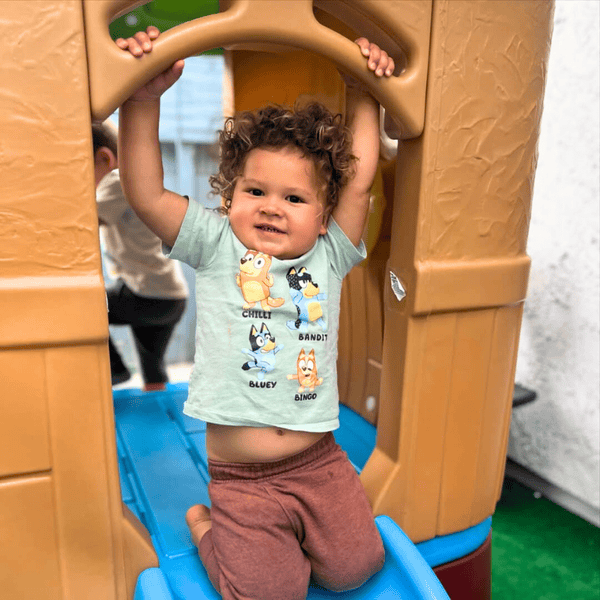
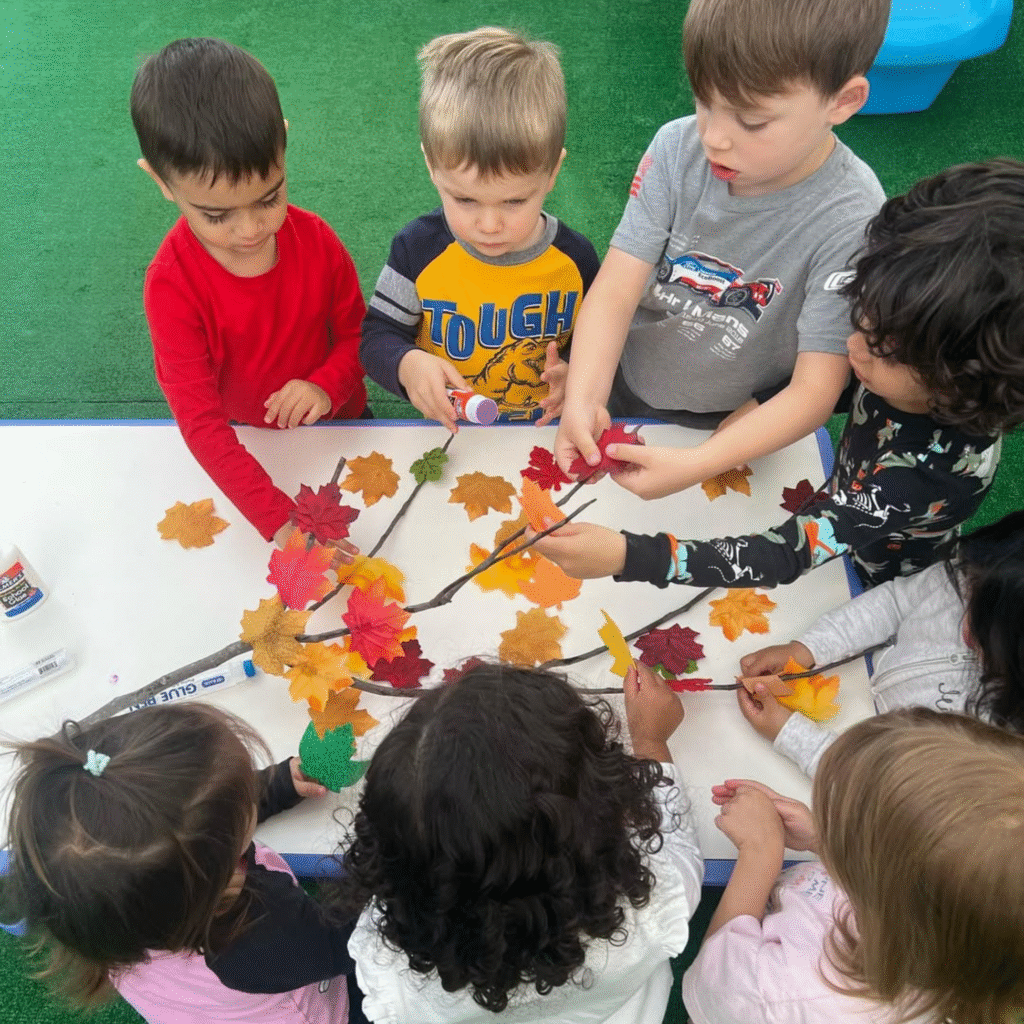

After completing your research and visiting potential centers, making the final decision combines both logic and intuition. Carefully review your notes, evaluate how each option aligns with your family’s schedule, values, and long-term goals, and consider the practical aspects such as programs offered and staff qualifications.
Equally important is trusting your instincts. The comfort and confidence you feel with the caregivers and the environment are powerful indicators of a good match. Choosing a center where you feel assured ensures your child thrives in a supportive setting that nurtures their growth and development.
Reach out today to learn more about our programs or to schedule a visit. Our team is ready to answer any questions and help you discover how Tarina Daycare Irvine can meet your family’s needs. Call us at (949) 558-6607 or visit our contact page to get in touch. We look forward to welcoming you and your little one into our caring community!
FAQ's About our Infant Development
Infants grow in physical, cognitive, social, and emotional areas during their first year. Early milestones include lifting their head, rolling over, sitting up, babbling, responding to sounds, social smiling, and eventually crawling or pulling up to stand. Keep in mind every baby develops at their own pace.
You can encourage development by offering safe tummy time to build motor strength, engaging in face‑to‑face play, narrating daily routines to support language learning, and providing age‑appropriate toys that encourage exploration. Simple interactive games like peek‑a‑boo also cultivate social awareness and cognitive skills.
Mild variations in timing are normal, but consider talking with your pediatrician if your baby consistently shows lack of progress in motor control, social engagement, communication, or if there are sudden regressions. Early check‑ins can help identify and support any developmental delays.
Infant development typically includes:
- Physical/motor (rolling, sitting, crawling),
- Cognitive (curiosity, problem‑solving),
- Language/communication (cooing, babbling),
- Social & emotional (smiling, expressing needs).
A nurturing childcare environment like those at Tarina Daycare Irvine provides safe, stimulating spaces with trained caregivers who facilitate sensory play, social interaction, and age‑appropriate activities that enhance early learning and attachment.
Strong emotional responses are common around 6–9 months as babies develop attachments. Consistent comfort, a predictable routine, gentle transitions into daycare or new environments, and responsive caregiving help babies feel secure and manage emotions effectively.