
Play-based learning is a teaching approach that naturally aligns with early childhood development, making it ideal for young learners. By focusing on exploration and hands-on experiences, it supports growth across cognitive, emotional, social, and physical domains, laying a strong foundation for lifelong learning.
This method emphasizes learning through play, allowing children to engage actively with their environment. Teachers incorporate games, imaginative activities, and interactive lessons into daily routines, turning every moment into an opportunity for skill-building and discovery.
Beyond fostering creativity and problem-solving, play-based learning also enhances early science and critical thinking skills. By encouraging curiosity and experimentation, it transforms the preschool classroom into a dynamic space where children develop essential abilities while enjoying the process of learning.

Table of Contents
What is Play-Based Learning?
Play-based learning offers children a joyful and interactive way to explore the world around them. By engaging in hands-on activities, kids can create, experiment, and discover at their own pace, fostering curiosity and independence while naturally building essential skills like problem-solving, communication, and teamwork.
Through guided play, children not only gain knowledge but also develop a genuine love for learning. This approach encourages creativity and confidence, helping young learners feel motivated and excited to explore new ideas in a supportive and stimulating environment.
For fun and engaging ways to keep children learning and active after school, check out our guide on After-School Program Ideas & Activities for Kids.
Understanding Play-Based Learning
Play-based learning is an educational approach that places play at the heart of teaching and development, based on the understanding that children learn best when they can explore their world freely. Through play, young learners engage with new concepts, solve problems, and generate creative ideas, making learning a natural and enjoyable process. Unlike traditional classrooms with rigid schedules, play-based learning allows children to follow their interests, actively guiding their educational journey and retaining knowledge more effectively.
This approach emphasizes the learning process over the end result, celebrating each step of discovery and skill-building. It nurtures creativity by giving children the freedom to experiment without fear of mistakes, enhancing critical thinking and problem-solving abilities. Additionally, interactive play supports the development of essential social skills such as cooperation, sharing, and conflict resolution, laying the foundation for effective communication and social understanding. By prioritizing curiosity and exploration, play-based learning creates a flexible, engaging, and holistic educational experience for every child.
How Play Enhances Learning in Preschool
Play-based learning is more than just fun it’s a cornerstone of how children learn and grow. It sparks cognitive development by encouraging problem-solving, decision-making, and creative thinking, allowing young minds to explore new ideas and concepts. At the same time, it nurtures emotional growth, as children experiment with different roles through pretend play, learning to express their feelings, understand others’ perspectives, and build resilience and emotional intelligence.
Socially, play helps children develop cooperation, teamwork, and communication skills, teaching them to navigate relationships and respect shared rules. Physical play is equally important, enhancing motor skills, balance, hand-eye coordination, and overall fitness, which also supports academic tasks like writing and cutting. By combining cognitive, emotional, social, and physical benefits, play-based learning provides preschoolers with a strong foundation for lifelong learning and success both inside and outside the classroom.
How to Incorporate Play based learning into Your Classroom
Now that we’ve seen how essential play is to preschool learning, the next step is intentionally weaving it into the daily routine. Setting aside consistent play times whether free play or guided activities gives children the space to explore, experiment, and apply what they’re learning in a way that feels natural and exciting.
Play can also be seamlessly integrated into lessons across subjects. Hands-on activities like building with blocks, role-playing, or interactive games help children grasp concepts in math, language, science, and social studies while strengthening creativity, problem-solving, and social skills through active participation.
Creating dedicated play spaces and incorporating outdoor learning further enriches the experience. Rotating classroom play areas keeps curiosity high, while outdoor play introduces real-world exploration that sparks observation and inquiry. Story-based, play-driven tools can then bring these moments together, connecting academic concepts with imagination and joyful discovery.
What are the benefits of play-based learning?
Promotes Language Development
A child’s vocabulary significantly improves during the preschool years. Play-based learning allows children to explore new vocabulary words in an organic, relevant, and authentic way. Play-based learning also allows children to engage in different forms of playful and reciprocal conversations.
For example, when children are engaged in pretend play, one child may take on the role of the doctor and the other as the patient. Both children may take a turn asking a question or sharing information relevant to their roles. Educators can support children’s language development by introducing new words, participating in games, encouraging conversations, and asking questions.
Develops Social-emotional Skills
Play-based learning has a significant impact on a child’s social and emotional development. They learn how to manage and deal with their emotions and the emotions of others.
Children also learn to communicate their needs with their peers and other essential skills like turn-taking and conflict resolution when playing. As they play, they are figuring out how to patiently wait for their turn to access an area or work with a material, negotiate, cooperate, and solve problems with their peers. All these are indispensable social skills.
Creates a positive Disposition toward Learning
There are so many ways play based learning can improve a child’s attitude toward learning. With self-chosen play, children are more invested and engaged in activities because they’re driven by their own interests and curiosity.
Giving children autonomy during play is not only fulfilling, but also allows children to confidently explore challenges, make goals, take appropriate risks, and learn to be persistent.
Improves Motor Skills
Play based learning also enhances a child’s motor skills. For example, activities such as painting, drawing, and building boost fine motor skills, while jumping, throwing, climbing, and running boost gross motor skills.
Enhance your program quality and incorporate more play into your children’s learning with a system like brightwheel’s Experience Curriculum. This complete curriculum system integrates 35 research-based skills into playful games and discovery projects. You can easily match the lessons in the app to the hands-on learning materials in the monthly curriculum kits, saving you time while supporting your children’s development.
Why Choose Tarina Daycare for Daycare in Irvine

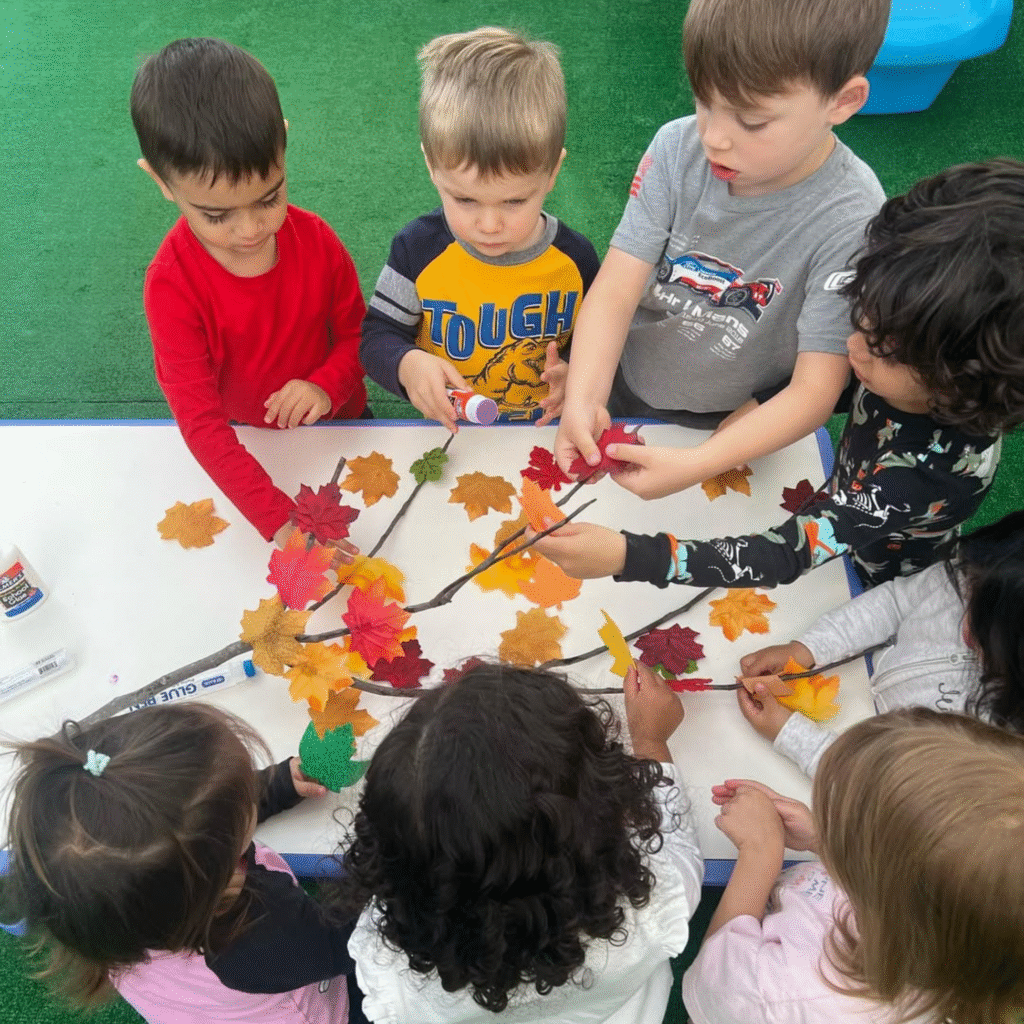

Play-based learning serves as a dynamic avenue for fostering children’s growth and development. By weaving play into education, children gain the liberty to explore, innovate, and form significant connections with their surroundings. The advantages include sharpened cognitive skills, enhanced problem-solving abilities, and strengthened social and emotional development.
Play fosters an atmosphere where children are encouraged, engaged, and enthusiastic about taking an active role in their education. By integrating play-based learning both in educational settings and at home, children evolve into well-rounded individuals, equipped with the skills, creativity, and resilience essential for thriving in a constantly evolving world.
Reach out today to learn more about our programs or to schedule a visit. Our team is ready to answer any questions and help you discover how Tarina Daycare Irvine can meet your family’s needs. Call us at (949) 558-6607 or visit our contact page to get in touch. We look forward to welcoming you and your little one into our caring community!
FAQ's About our Play-based Learning
Play-based learning is an educational approach where children learn through meaningful play activities. Instead of traditional desk work, kids explore, imagine, problem-solve, and interact with materials and peers all guided by their natural curiosity. Educators support and extend learning during play by asking questions or offering resources, making play both joyful and developmental.
This approach supports multiple areas of development including creativity, confidence, critical thinking, language, social skills, and emotional regulation. Through play, children experiment with ideas, build relationships, and learn foundational academic concepts in a way that feels natural and engaging.
Absolutely. Research and early childhood educators report that children in play-based programs often enter kindergarten with strong social-emotional skills, curiosity, problem-solving abilities, and a positive attitude toward learning all key components of school readiness.
No, play-based learning is thoughtfully designed. Teachers structure environments and materials to invite exploration, observe children’s interests, and gently guide learning. While children have freedom to choose activities, the curriculum still supports developmental goals and meaningful growth.
Activities range from dramatic play, building with blocks, art and sensory exploration, storytelling, puzzles and games, to social group activities. These experiences help children develop cognitive skills (like counting or language), physical coordination, and emotional resilience all through play.
You can encourage play by providing open-ended materials (like blocks, art supplies, dress-up clothes), allowing unstructured play time, asking open questions during play (e.g., “What are you building?”), and celebrating curiosity and effort rather than only results. Play at home reinforces learning and strengthens parent-child connection.