The journey to preschool is a significant milestone, not just for your child but for you as a parent. It’s natural to ask, “Is my child ready for preschool?” as you navigate this exciting transition. Preparing your little one for a structured learning environment can feel both thrilling and overwhelming, but understanding what readiness looks like can make the process smoother.
Preschool readiness goes beyond age; it’s about emotional, social, and cognitive development. Children need the skills to interact with peers, follow simple routines, and express themselves confidently. Every child develops at their own pace, so recognizing these key indicators can guide you in determining the right time to start preschool.
In this guide, we’ll highlight 10 essential signs of preschool readiness and share practical tips to help your child approach this new adventure with confidence and excitement. By focusing on these areas, you can support a smooth transition that fosters growth, curiosity, and a love for learning.
Table of Contents
- Emotional Readiness: Managing Feelings and Separation
- Social Readiness: Playing and Sharing with Others
- Communication Skills: Expressing Needs and Thoughts
- Cognitive Readiness: Curiosity and Problem-Solving
- Listening and Following Instructions
- Curiosity and Enthusiasm for Learning
- Routine and Attention Span
- How to Encourage Preschool Readiness at Home
- Why Choose Tarina Daycare for Trusted Daycare in Irvine
- FAQ’s About our Preschool Readiness
Emotional Readiness: Managing Feelings and Separation
One of the key signs that a child is ready for preschool is emotional maturity. A preschool-ready child can recognize and manage basic emotions like frustration, sadness, or excitement, and begin to calm themselves with gentle guidance from adults. This ability to navigate feelings lays the foundation for a positive classroom experience.
Another indicator of readiness is handling short separations without significant distress. While some anxiety is normal, children who can self-soothe or seek comfort from a teacher show important emotional growth that helps them adjust to a new environment and build confidence.
To support this transition, parents can practice brief separations with trusted relatives or caregivers. Talking positively about your return and reassuring your child helps build trust, making the preschool experience smoother and more enjoyable for both the child and family.
Social Readiness: Playing and Sharing with Others
Preschool opens up a vibrant social world where children explore shared toys, group activities, and the joys of making new friends. Social readiness in this environment means your child is beginning to understand concepts like taking turns, sharing, and showing empathy toward others.
Engaging with peers through parallel play, group games, or simply observing and showing curiosity about other children’s actions helps build essential social skills that form the foundation for successful interactions in school and beyond. These early experiences teach cooperation, communication, and emotional awareness in a fun, natural way.
At home, you can support this growth by arranging playdates or visits to the park, giving your child opportunities to practice interacting in groups. Gentle reminders such as “Your turn next!” or “Let’s share with our friend” reinforce patience, cooperation, and positive social behavior, making the transition to preschool smoother and more enjoyable.
Communication Skills: Expressing Needs and Thoughts
Communication is at the heart of preschool success. A preschool-ready child doesn’t need perfect speech but should be able to express basic needs, like saying “I’m thirsty,” “I need help,” or “I’m done.” Being able to follow short instructions, answer simple questions, and engage in conversation are strong signs that your child is ready to thrive in a preschool setting.
You can support this growth every day through simple, meaningful interactions. Reading aloud, singing songs together, and narrating daily routines—like “Now we’re putting on shoes!” help expand your child’s vocabulary, build confidence, and foster the communication skills that are essential for early learning.
Cognitive Readiness: Curiosity and Problem-Solving
Preschool readiness is about your child’s natural curiosity asking “why,” exploring how things work, and showing excitement for learning. Children who are ready often enjoy hands-on activities like puzzles, matching games, or building with blocks, and they begin to focus on a task for short periods while following simple sequences, such as “First we clean up, then snack.”
You can support this growth by encouraging learning through play. Activities involving colors, shapes, and counting help develop critical skills, while the emphasis remains on participation and curiosity rather than perfection. This playful approach lays a strong foundation for a confident and engaged learner.
Listening and Following Instructions
Preschool routines depend greatly on a child’s ability to listen and respond to instructions. Readiness in this area shows when a child can follow one- or two-step directions, such as “Put your toy away and wash your hands,” demonstrating growing independence and attentiveness. Being able to focus long enough to complete simple tasks is another clear sign that your child is ready to thrive in a structured learning environment.
To support this skill at home, turn listening into a playful activity. Games like “Simon Says” or “Follow the Leader” make following directions fun and engaging, helping children practice focus, memory, and obedience while building confidence in their abilities.
Curiosity and Enthusiasm for Learning
Children who are eager to explore and try new things enter preschool with a strong foundation for learning. Their enthusiasm can appear in many ways whether it’s a fascination with books, an interest in music or art, or simply watching and learning from how others do things. This natural curiosity sets the stage for creativity, problem-solving, and a love for discovering the world around them.
A love of learning doesn’t always have to be loud or obvious. Even a quiet child can be deeply curious and attentive, soaking in details and asking thoughtful questions. Parents can nurture this curiosity by visiting libraries, reading stories about school, and encouraging endless “why” questions. Supporting these small moments of wonder helps children develop a lifelong passion for learning.
Routine and Attention Span
Preschool helps children get accustomed to structured routines, including circle time, snack breaks, and smooth transitions between activities. Kids who are ready for preschool can adapt to these predictable schedules and remain engaged in short, focused sessions. Developing this ability early sets the foundation for confidence and success in a classroom setting.
If your child can concentrate on a story or craft for 10–15 minutes, they’re already building the attention span needed for preschool. At home, you can support this by creating a simple mini routine snack, story, then playtime so your child becomes comfortable with a predictable rhythm and gains confidence in following daily patterns.
How to Encourage Preschool Readiness at Home
Even if your child isn’t fully ready for preschool, small daily activities can make a big difference in preparing them. Reading together each day strengthens language skills and attention span, while practicing sharing through toys and turn-taking games helps develop social skills. Encouraging pretend play, like “playing school,” introduces children to routines and expectations, and letting them make simple choices, such as what to wear, fosters independence.
Talking about preschool in a positive way sharing the fun, friends, and learning experiences can build excitement and curiosity. Remember, preschool readiness isn’t a race; it’s a gradual process that grows through love, play, and patience, allowing your child to enter this new stage with confidence and joy.
At Tarina Daycare Irvine, our Preschool Program: How We Ensure Your Child Is Prepared for Kindergarten focuses on building essential skills and confidence, giving children a smooth transition into their early school years.
Why Choose Tarina Daycare for Trusted Daycare in Irvine

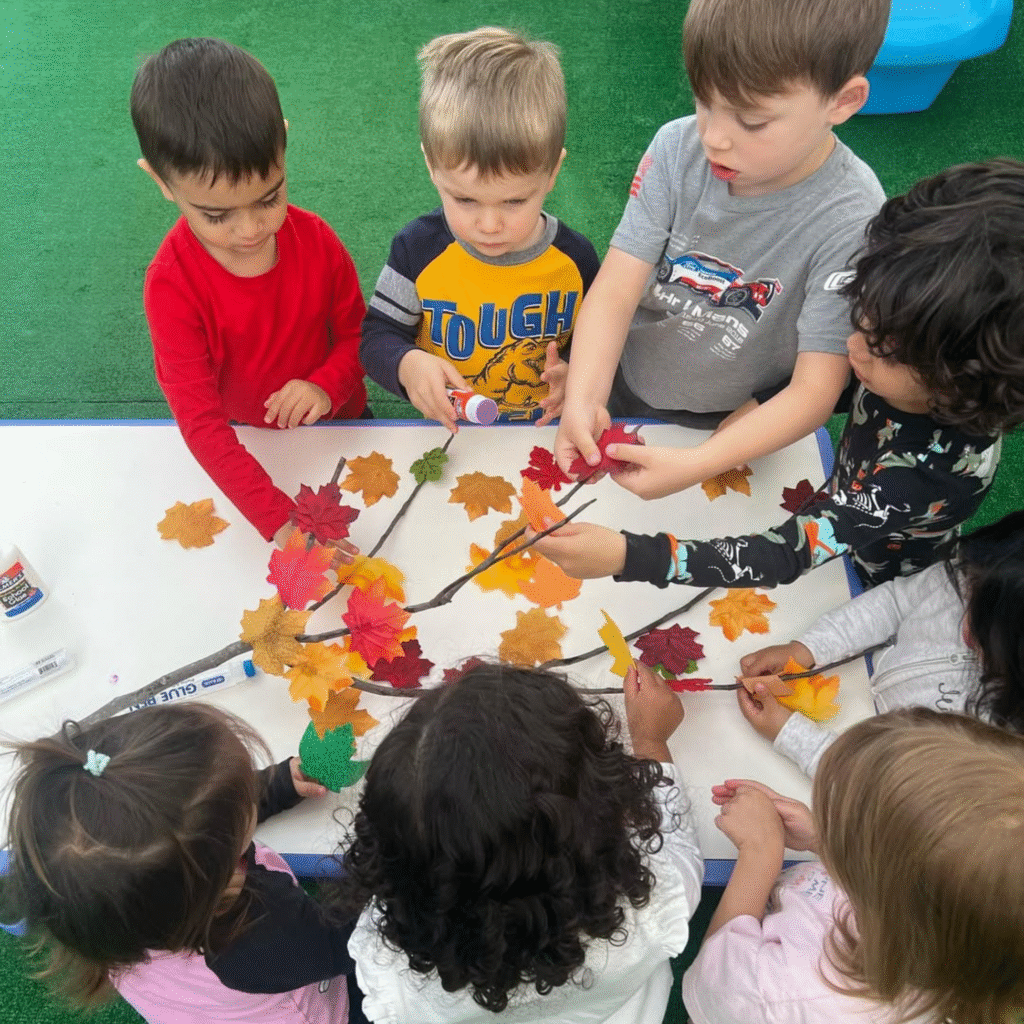

If you’re searching for a trusted early education center that prioritizes preschool readiness, Tarina Daycare Irvine is here to guide your child every step of the way. Our programs are thoughtfully designed to foster learning, curiosity, and confidence in a safe and supportive environment.
Our team of experienced and caring educators creates a nurturing space where children explore, play, and develop essential skills. From social interaction and early literacy to motor development, every activity is carefully planned to ensure a smooth and joyful transition into preschool life.
Reach out today to learn more about our programs or to schedule a visit. Our team is ready to answer any questions and help you discover how Tarina Daycare Irvine can meet your family’s needs. Call us at (949) 558-6607 or visit our contact page to get in touch. We look forward to welcoming you and your little one into our caring community!
FAQ's About our Preschool Readiness
Preschool readiness refers to a set of developmental signs indicating that a child is prepared to transition into a structured early learning environment. It includes emotional, social, communication, and basic self‑care skills that help your child participate confidently in preschool routines and activities.
While many children start preschool around ages 3 - 4, readiness is not strictly age‑based. Each child develops at their own pace, and parents should focus more on observable skills like independence, communication, and social interaction rather than age alone.
Emotional readiness includes the ability to manage feelings, tolerate brief separations from caregivers, and express needs in words or simple gestures. Children who can calm themselves after a short upset and adjust to transition cues are often more comfortable in a preschool setting.
Preschool is a social environment, so wanting to engage with other children, sharing toys, taking turns, and participating in group activities are key indicators that a child is ready to interact with peers and benefit from collaborative learning experiences.
A child doesn’t need perfect speech, but they should be able to express basic needs (like hunger or needing help), understand simple directions, and use gestures or words to participate in activities and communicate with teachers and classmates.
Yes. Basic self‑care skills such as washing hands, feeding themselves, putting on shoes, and showing some independence with toileting help children navigate daily routines with less adult assistance, making their preschool experience smoother and more enjoyable.